Is masking tape adhesive tape?
- Tapells
- 25 Aug ,2026
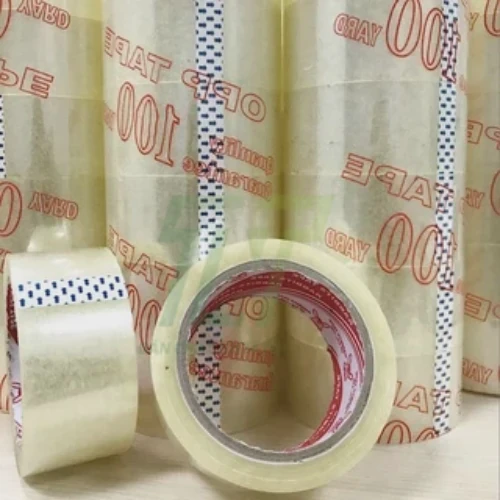
Masking tape looks simple, but choosing it only by color or width can cause poor bonding, surface damage, residue, or difficult removal.
Yes, masking tape is a type of adhesive tape. It normally combines a paper backing with a pressure-sensitive adhesive. The adhesive allows the tape to stick with light pressure, while its construction makes it easy to apply, tear, and remove. Different masking tapes are designed for painting, protection, bundling, and industrial processes.
The important point is that not every adhesive tape works like masking tape. Its value comes from balancing adhesion with removability. To choose the right grade, buyers need to understand the backing, adhesive, temperature range, surface, and required holding time.
What makes masking tape an adhesive tape?
Masking tape is sometimes treated as a separate product category, which can create confusion. In fact, its basic construction clearly places it inside the adhesive tape family.
Masking tape is an adhesive tape because it has a pressure-sensitive adhesive coated onto a flexible backing, usually crepe paper. The adhesive bonds to a surface when pressure is applied. Unlike many permanent bonding tapes, masking tape is usually designed to provide controlled adhesion and relatively easy removal after temporary use.
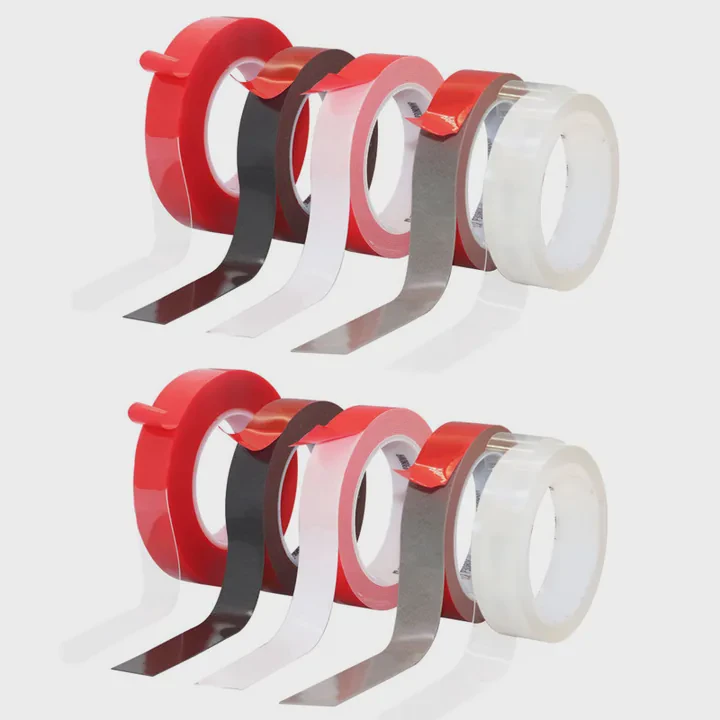
Masking tape has the basic structure of adhesive tape
An adhesive tape needs a material that can bond to another surface. Masking tape meets this basic condition because one side of its backing carries an adhesive coating.
Most masking tapes use a paper backing. Crepe paper is common because it is flexible and can often be torn by hand. The paper can also follow curves and irregular shapes better than some stiff film materials.
The adhesive layer sits on one side of this backing. When the user presses the tape against a suitable surface, the adhesive makes contact and creates a bond. No separate bottle of glue is normally needed.
This is the same basic principle used by many pressure-sensitive adhesive tapes.
However, masking tape has a different goal from many other adhesive products. A double-sided mounting tape may need to hold two parts together for a long time. A carton sealing tape needs to keep a box closed during storage and transport. Masking tape often needs to hold firmly for a limited period and then come away from the surface without creating unnecessary problems.
That difference affects how masking tape is designed.
Backing and adhesive work together
A buyer should not judge masking tape by adhesive strength alone. The backing and adhesive need to work as one system.
The paper needs enough strength to survive application and removal. At the same time, users often want to tear it quickly by hand.
The adhesive needs enough tack to stay attached during painting, protection, labeling, or another temporary process. But excessive adhesion can create problems during removal.
| Feature | Typical role in masking tape | Why it matters |
|---|---|---|
| Paper backing | Supports the tape | Helps with handling and hand tearing |
| Pressure-sensitive adhesive | Creates the bond | Allows quick application |
| Crepe structure | Adds flexibility | Helps tape follow curves |
| Controlled adhesion | Balances holding and removal | Reduces removal problems |
| Tape thickness | Affects handling | Can influence strength and flexibility |
| Temperature resistance | Supports process conditions | Important for industrial masking |
| Removal performance | Allows temporary use | Helps reduce residue or surface damage |
The balance changes according to the grade.
A basic general-purpose masking tape may be suitable for simple household painting and bundling. A professional painting tape may need better edge control and cleaner removal. An industrial masking tape may need to remain stable during higher-temperature processes.
This is why the phrase “masking tape” does not describe one fixed specification.
Not every paper adhesive tape is the same
Paper backing alone does not make a product masking tape.
Different paper tapes can use different papers, coatings, adhesives, and production methods. Their purposes can also be very different. A paper packaging tape, for example, may be designed to seal cartons instead of being removed after a temporary masking process.
When I compare masking tape samples for a specific application, the first question is not simply whether the tape sticks. The more useful question is whether it sticks correctly for the required period and can then be removed as expected.
This difference is important for B2B buyers. Width, length, paper type, total thickness, adhesive system, temperature resistance, color, and removal requirements should all be considered before selecting a masking tape.
How does masking tape adhesive work?
A masking tape that sticks too weakly can lift during use. One that bonds too strongly can leave residue or damage the surface, so its adhesive needs a careful balance.
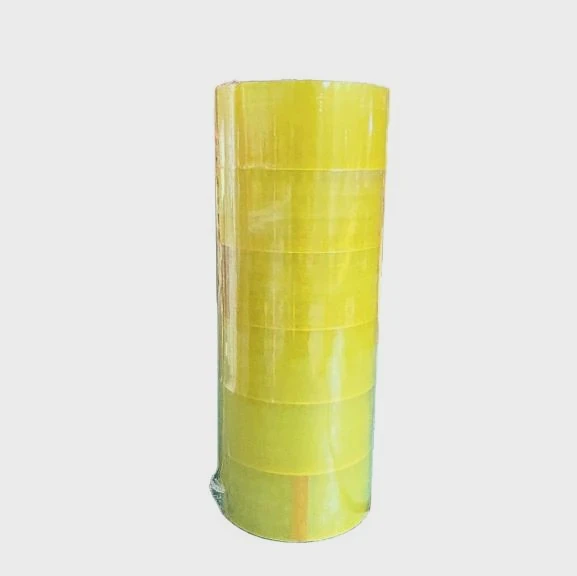
Masking tape usually uses a pressure-sensitive adhesive that forms a bond when the tape is pressed against a surface. Pressure increases contact between the adhesive and surface. The adhesive is normally designed to provide enough holding power for temporary use while still allowing controlled removal under the intended conditions.
Pressure creates better surface contact
A pressure-sensitive adhesive does not usually need water, heat, or another liquid adhesive before application.
The user places the masking tape on the surface and presses it down. This pressure helps the adhesive make closer contact with the small peaks and valleys on the surface.
This explains why simply laying tape loosely on a surface can produce different results from pressing it down properly.
Good contact is especially important along an edge during painting. If the edge is not pressed down well, paint may move under the tape. The result can be an uneven paint line.
The surface also needs to be suitable for the adhesive.
Dust can prevent good contact. Oil and moisture can create similar problems. A rough surface provides a different bonding condition from smooth glass or painted metal.
For this reason, the same masking tape can appear strong on one surface and weak on another.
Tack and holding power are different ideas
Initial tack describes how quickly an adhesive seems to grab a surface. It is useful, but it does not tell the complete story.
The tape also needs enough holding power to stay in position during the required process. If the tape starts lifting before painting or processing is complete, high initial tack has little value.
At the same time, more adhesion is not always better.
Masking tape is often temporary. The user may want to remove it after a few hours or days. A tape that develops excessive adhesion can become harder to remove.
Temperature and time can change this behavior.
For example, a masking tape used in a warm industrial process can behave differently from the same tape used in a room-temperature painting project. Long exposure can also change the final removal performance.
Different adhesives serve different needs
Masking tapes can use different pressure-sensitive adhesive systems. Rubber-based and acrylic systems are common categories, although actual formulas vary between products.
A rubber-based adhesive can offer useful initial tack for many applications. Acrylic systems can provide other benefits, including suitable aging and environmental performance in selected products.
The adhesive should not be selected by chemistry alone. The complete construction needs to match the job.
Buyers should consider the application surface, required holding time, working temperature, expected removal, indoor or outdoor conditions, and the process taking place around the tape.
A sample test can be especially useful when the tape will contact a valuable finished surface. Testing allows the buyer to see whether the tape holds properly and whether removal meets expectations.
For industrial orders, this practical performance matters much more than a simple claim such as “strong adhesive.”
Which applications are best suited for masking tape?
Using masking tape for every temporary job may seem convenient, but different surfaces and working conditions create very different requirements. The application should guide the tape selection.
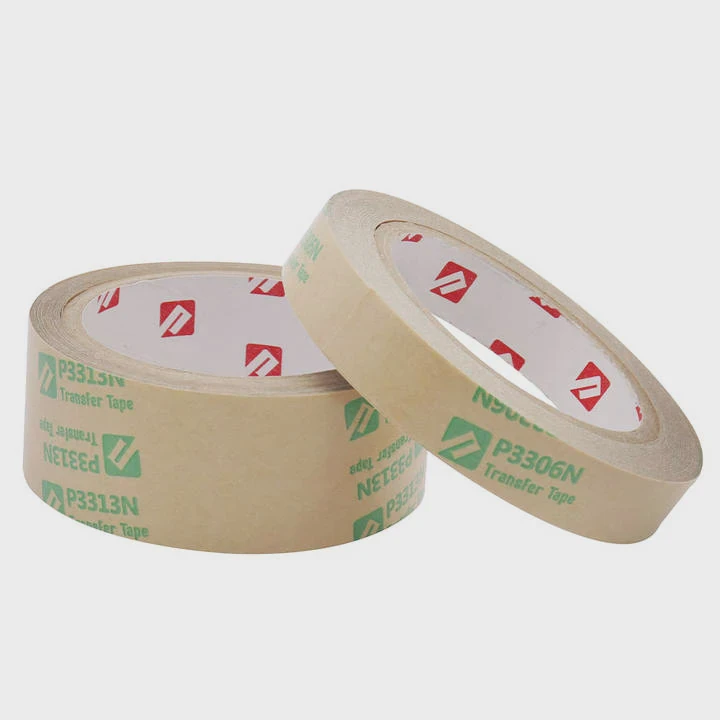
Masking tape is best suited for temporary masking, painting, surface protection, labeling, light bundling, marking, and selected industrial processes. Specialized masking tapes can also be used for automotive painting, manufacturing, and higher-temperature applications. The correct grade depends on surface type, temperature, holding time, and removal requirements.
Painting and decorating
Painting is probably the application most people connect with masking tape.
The tape can cover areas that should not receive paint. It can also help create straight edges between painted and unpainted sections.
For this job, adhesion needs to be balanced carefully. The tape must stay in position while paint is applied. It should also be removable without creating unwanted residue or damaging a suitable surface under normal application conditions.
Different painting projects can require different masking tapes.
A simple indoor wall painting job does not have the same requirements as automotive refinishing. A tape used on glass may also behave differently from one used on a painted wall or metal panel.
Paint type, surface condition, temperature, and removal time should all be considered.
Automotive masking
Automotive work can place higher demands on masking tape.
During vehicle painting or refinishing, selected parts need protection from coatings and overspray. The tape may also face higher temperatures during parts of the process.
A general-purpose household masking tape may not be designed for these conditions.
Automotive masking products can be made for better temperature resistance, controlled adhesion, and reliable removal. The exact specification still depends on the painting and drying process.
The tape width is also important. Narrow rolls can help with detailed areas, while wider rolls can support larger masking jobs.
Manufacturing and industrial processing
Factories use masking tape for many temporary operations.
A manufacturer may need to protect an area during painting, coating, drilling, assembly, or another production stage. Tape can also be used for temporary positioning, identification, or process marking.
| Application | Main requirement | Useful tape feature |
|---|---|---|
| Indoor painting | Clean masking | Controlled adhesion |
| Decorative work | Accurate edges | Flexible paper backing |
| Automotive painting | Process resistance | Suitable temperature grade |
| Industrial masking | Stable temporary protection | Reliable holding power |
| Labeling | Easy writing and removal | Paper surface |
| Light bundling | Temporary holding | Easy hand tearing |
| Surface protection | Controlled contact | Suitable removal performance |
| DIY projects | Easy handling | Flexible construction |
Industrial buyers should pay close attention to process temperature. A tape may perform normally at room temperature but change when exposed to heat.
The length of exposure also matters. Ten minutes at a certain temperature and several hours at the same temperature do not always produce the same result.
Labeling and temporary identification
The paper surface of many masking tapes can make them useful for temporary labeling.
Workers can apply pieces of tape to boxes, parts, containers, shelves, or tools and write information on the paper. This can be convenient in warehouses, workshops, and production areas.
However, masking tape should not automatically replace a permanent industrial label. Moisture, abrasion, outdoor exposure, and long storage periods can create conditions beyond the intended use of a basic masking product.
Household and DIY work
Masking tape is useful for crafts, decoration, temporary fixing, and light bundling.
Its hand-tearable paper construction can make it easier to handle than stronger film or cloth tapes. Users can often apply and remove short pieces quickly without special cutting equipment.
The same advantage can become a limitation. Paper masking tape is not normally the first choice when high tensile strength, waterproof sealing, permanent mounting, or heavy-duty repair is required.
Understanding those limits helps users choose masking tape for jobs where its temporary and easy-to-handle design provides a real advantage.
When should masking tape be used instead of other tapes?
Choosing the strongest available tape can sound safe, but strength is not always the goal. Temporary work often needs a tape that holds correctly and can also be removed correctly.
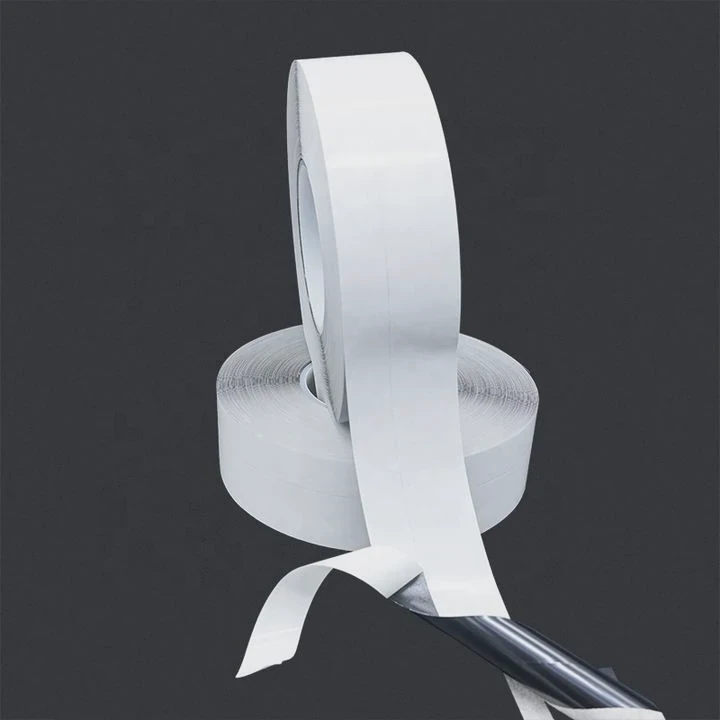
Masking tape should be used instead of other tapes when temporary adhesion, easy application, hand tearing, surface masking, or controlled removal is important. Packing tape is better for carton sealing, electrical tape for insulation, duct tape for heavier repair, and double-sided tape for bonding two surfaces together.
Choose masking tape when removal matters
One of the main reasons to choose masking tape is that the application is temporary.
A painter does not normally want the tape to become a permanent part of the wall. A factory may need temporary protection only during one production stage. A workshop may use tape for short-term labeling and remove it later.
In these situations, extremely aggressive adhesion can create more problems than benefits.
Masking tape is designed around a different balance. It needs enough adhesion to complete the job, but the correct grade should also support suitable removal under its intended conditions.
The word “removable” should still be treated carefully. No tape can guarantee identical results on every surface.
Old paint, weak coatings, delicate finishes, heat, long application periods, and direct sunlight can all change removal behavior. Testing is sensible when the surface is valuable or sensitive.
Use packing tape for cartons
Masking tape should not normally replace proper carton sealing tape for demanding shipping applications.
Packing tape is designed around box closure. BOPP packing tape, for example, combines a film backing with an adhesive system suitable for carton sealing.
The film provides different tensile properties from paper masking tape. This can make packing tape more suitable for keeping cartons closed during handling and transportation.
Masking tape can hold a light box temporarily, but that does not make it the best shipping solution.
Use electrical tape for electrical applications
Electrical work needs products designed for electrical requirements.
PVC electrical tape is flexible and is commonly used for wire insulation, wrapping, identification, and protection. Masking tape does not become an electrical insulation product simply because it can stick around a wire.
Buyers should use a tape designed and tested for the required electrical application.
Use duct tape for stronger repair jobs
Duct tape usually has a stronger construction than general-purpose paper masking tape. It is commonly used for repair, bundling, maintenance, and other tasks where greater mechanical strength can be useful.
Masking tape has different advantages. It is easy to tear, simple to write on, and useful for temporary protection.
The right choice depends on the job rather than which tape feels stronger in the hand.
Use double-sided tape for hidden bonding
Double-sided tape places adhesive on both sides of a carrier or tape construction. It is designed to sit between two surfaces.
This makes it suitable for mounting, displays, signs, trim, electronics, and many assembly applications.
Masking tape normally has adhesive on one side and remains visible after application. Its purpose is usually temporary masking or protection rather than joining two components permanently.
Match the specification to the real application
When I evaluate a masking tape requirement, I focus on several practical questions.
The first is the surface. The tape may be applied to painted walls, glass, metal, plastic, wood, or another material.
The second is time. A tape that remains in place for one hour may behave differently from a tape left for several days.
Temperature comes next. Normal room-temperature masking and industrial high-temperature masking are different applications.
The final question is removal. Buyers should define whether clean removal is important and when the tape will be removed.
After these conditions are clear, specifications such as width, length, thickness, color, adhesive system, packaging, and printing can be selected.
This approach is more reliable than simply asking whether masking tape is “better” than another tape. Each tape family solves a different problem. Masking tape becomes the better option when controlled temporary adhesion, easy handling, masking, and removal are central to the job.
Conclusion
Masking tape is an adhesive tape because it uses a pressure-sensitive adhesive to bond to surfaces. Its main advantage is the balance between holding power and controlled removal. It works best for painting, masking, protection, labeling, and other temporary applications when the correct grade matches the surface and conditions.