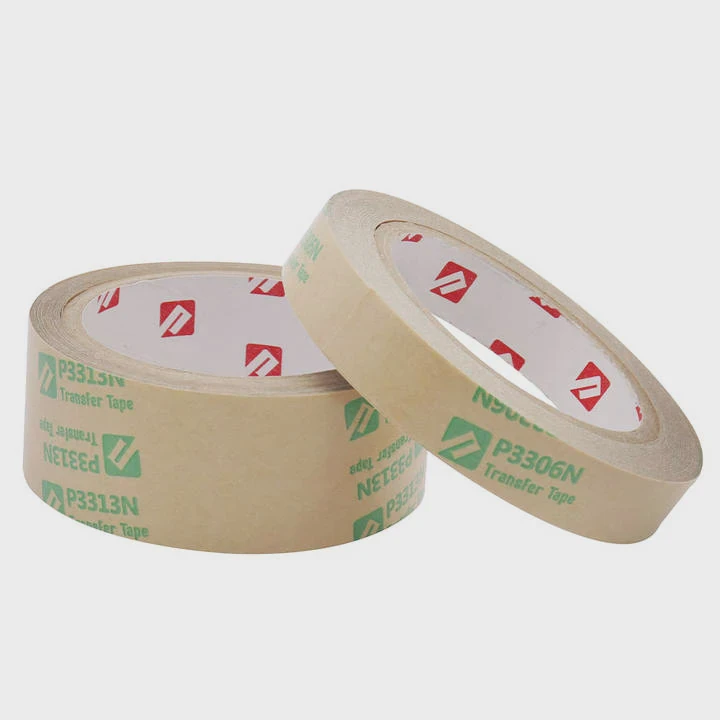
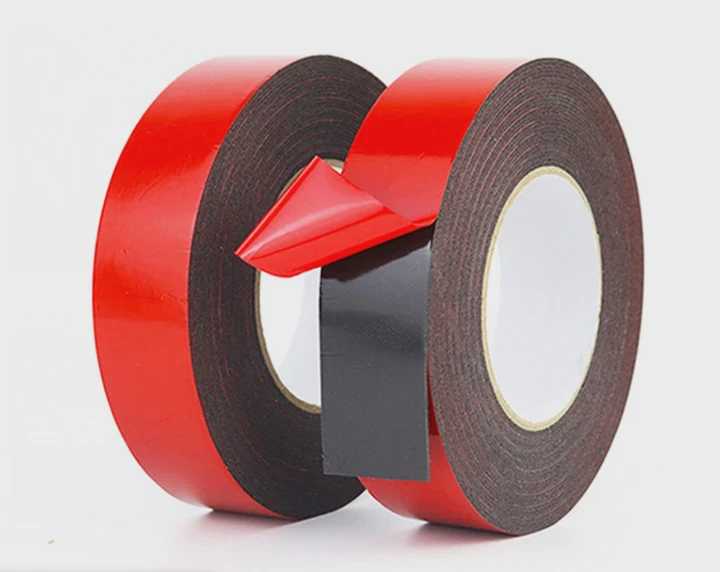
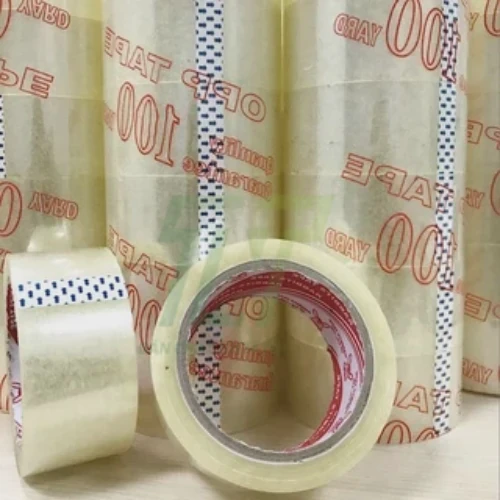
What is adhesive tape called?
- Tapells
- 25 Aug ,2026
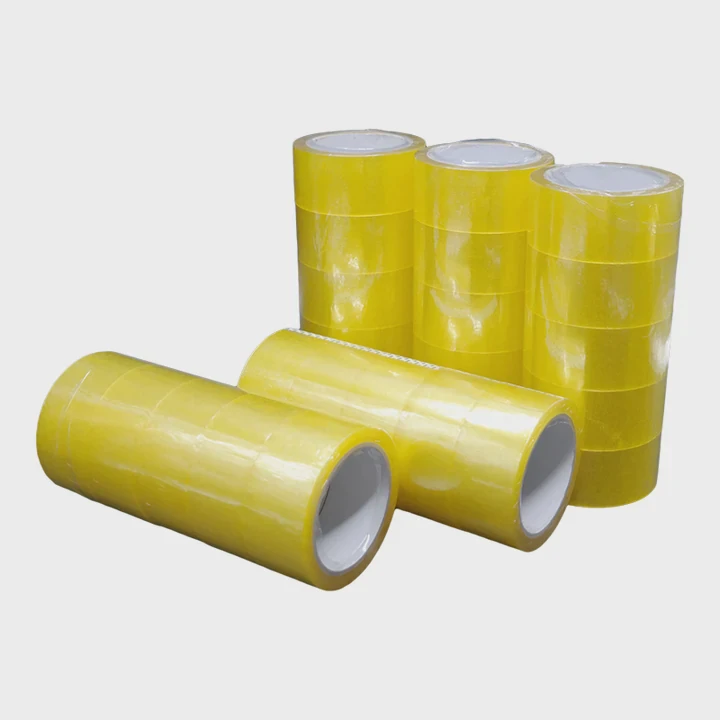
Adhesive tape has many names, and this can confuse buyers when they compare products, suppliers, materials, and applications across different markets.
Adhesive tape is commonly called sticky tape, pressure-sensitive tape, self-adhesive tape, or simply tape. The exact name often depends on its adhesive system, backing material, and intended use. Common product names include packing tape, masking tape, electrical tape, duct tape, double-sided tape, and industrial tape.
The name alone does not always tell buyers what a tape can do. A better way is to look at the backing, adhesive, thickness, strength, temperature resistance, and intended application. These details make it easier to compare products that may have different names but similar functions.
Which names commonly describe adhesive tape products?
Tape names can become confusing very quickly. One supplier may say “sticky tape,” another may say “self-adhesive tape,” while an industrial buyer may use a much more specific technical name.
Common names for adhesive tape include sticky tape, self-adhesive tape, pressure-sensitive tape, PSA tape, packing tape, masking tape, electrical tape, duct tape, mounting tape, double-sided tape, and industrial adhesive tape. The right term usually depends on the tape’s material, adhesive type, construction, or application.

General names and product-specific names
In daily conversation, people often use simple terms such as tape, sticky tape, or adhesive tape. These terms describe a broad product group. They do not tell us much about the actual construction of the product.
The term pressure-sensitive adhesive tape, often shortened to PSA tape, is more specific. A pressure-sensitive tape sticks to a surface when pressure is applied. It usually does not need water, heat, or another activation process. Many common packaging, masking, electrical, and double-sided tapes fall into this broad group.
Buyers also use names based on the tape’s purpose. For example, packaging companies commonly ask for packing tape or carton sealing tape. Painters ask for masking tape or painter’s tape. Electrical users ask for electrical insulation tape. Automotive buyers may ask for wire harness tape. Construction buyers may search for duct tape, aluminum foil tape, anti-slip tape, or mounting tape.
Other names come from the backing material. A buyer may ask for BOPP tape, PVC tape, PET tape, cloth tape, foam tape, paper tape, or aluminum foil tape. These terms are useful because the backing can strongly affect strength, flexibility, temperature resistance, and cost.
| Common name | What the name usually describes | Typical example |
|---|---|---|
| Sticky tape | General everyday adhesive tape | Office and household tape |
| PSA tape | Pressure-sensitive adhesive system | Packaging or industrial tape |
| Packing tape | Application | Carton sealing |
| Masking tape | Application and construction | Painting and surface protection |
| Electrical tape | Application | Wire insulation |
| Double-sided tape | Adhesive construction | Mounting and bonding |
| Foam tape | Backing material | Sealing and mounting |
| BOPP tape | Backing material | Carton packaging |
| Duct tape | Product construction | Repair and bundling |
| Foil tape | Backing material | HVAC and insulation work |
There is no single universal product name that works for every buying situation. In a retail shop, “sticky tape” may be enough. In B2B purchasing, that term is usually too broad.
When sourcing tape in bulk, a clear request should include more than a product name. Buyers should state the backing material, adhesive type, width, length, total thickness, color, required performance, and application. This reduces the risk of receiving a tape that has the right name but the wrong performance.
How does adhesive tape differ from other tapes?
Two rolls can look almost identical while performing very differently. A simple product name can hide major differences in adhesive, backing, thickness, strength, and environmental resistance.
Adhesive tape contains an adhesive layer that allows it to bond to a surface. It differs from non-adhesive tapes, films, straps, and mechanical fastening products because bonding is part of its construction. Different adhesive tapes also vary by backing, adhesive chemistry, coating method, and required performance.
Adhesive is only one part of the tape
An adhesive tape normally combines a backing or carrier with an adhesive system. Some products also contain release liners, primers, release coatings, reinforcement layers, or other materials.
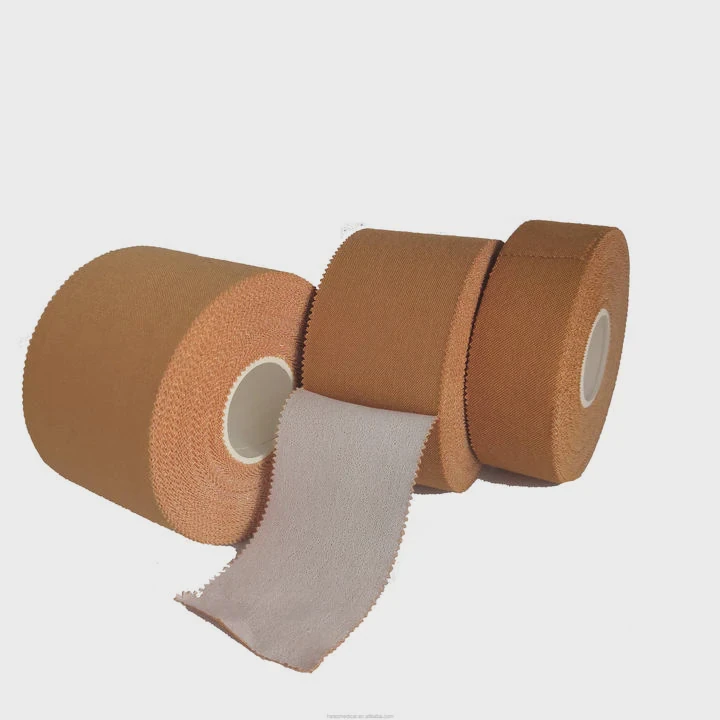
The backing gives the tape much of its physical structure. BOPP film can provide good tensile strength for carton sealing. Crepe paper can provide the flexibility and tear properties needed for masking. PVC can provide useful flexibility for electrical applications. Cloth can make a tape stronger and easier to use for repair or bundling. Foam can help fill gaps between uneven surfaces.
The adhesive controls how the tape bonds. Acrylic, rubber-based, silicone, and other adhesive systems can provide different levels of tack, peel strength, temperature resistance, aging resistance, and surface compatibility.
This is why “adhesive tape” should be treated as a product family instead of one fixed material.
Adhesive tape versus non-adhesive products
Some products are called tape even though adhesion is not their main function. Thread seal tape, for example, is normally wrapped around threaded connections. Some warning or barrier tapes are used to mark an area rather than stick directly to a surface. Strapping products can also be supplied in rolls, but they usually secure goods through tension instead of adhesive bonding.
The difference becomes more important in industrial sourcing. A buyer should ask how the product actually works instead of relying only on the word “tape.”
A pressure-sensitive adhesive tape normally bonds after contact and pressure. It does not usually need a separate liquid glue. This makes it convenient for fast production, packaging, masking, mounting, sealing, and assembly.
Still, adhesive strength alone should not decide product selection. A tape can have high initial tack but poor long-term aging. Another tape may feel less aggressive at first but provide better outdoor stability.
Surface energy also matters. Metal, glass, painted panels, cardboard, plastic, foam, and rough construction surfaces can react differently to the same adhesive. Temperature, dust, oil, moisture, and application pressure can change the final bond as well.
For this reason, sample testing is important when the application has strict performance requirements. The buyer needs to compare the complete tape construction with the real working environment.
Why do industries use different adhesive tape terms?
A long list of tape terms can make sourcing harder, especially when buyers and suppliers work in different countries. But these different names usually developed because industries focus on different product features.
Industries use different adhesive tape terms because each market describes tapes by function, backing material, adhesive system, performance, or production process. Packaging buyers may say carton sealing tape, electricians may say insulation tape, and manufacturers may use technical terms such as PSA tape or acrylic foam tape.
Each industry focuses on a different problem
A packaging buyer usually cares about carton sealing speed, holding power, roll length, film thickness, and cost per roll. This buyer may call the product packing tape, packaging tape, carton tape, box sealing tape, or BOPP tape.
An electrician has a different goal. The tape may need insulation, flexibility, flame resistance, or suitable performance at different temperatures. The buyer will usually search for electrical tape, PVC insulation tape, or another application-specific term.
An automotive manufacturer may focus on noise reduction, abrasion resistance, wire protection, heat resistance, or clean cable management. Terms such as wire harness tape, cloth harness tape, and automotive tape become more useful.
Construction creates another vocabulary. Buyers may ask for duct tape, foil tape, anti-slip tape, double-sided foam tape, or warning tape because each product performs a clear job on a worksite.
The terminology becomes even more detailed in manufacturing. Engineers and purchasing teams may describe a product by adhesive chemistry, carrier, thickness, peel strength, or temperature range.
| Industry | Common tape term | Main buying concern |
|---|---|---|
| Packaging | Carton sealing tape | Holding power and cost |
| Painting | Masking tape | Clean removal and paint lines |
| Electrical | Insulation tape | Insulation and flexibility |
| Automotive | Wire harness tape | Abrasion and cable protection |
| HVAC | Aluminum foil tape | Sealing and temperature performance |
| Construction | Duct or mounting tape | Strength and surface bonding |
| Electronics | Double-sided tape | Precision bonding and thickness |
| Warehousing | Warning or floor tape | Visibility and durability |
Regional language creates more names
The same product can also have different names in different countries. Local buying habits, retail language, technical standards, and historical brand usage can all influence the words people use.
This creates a common problem in international trade. A buyer can send a familiar local product name, but a supplier may understand that term differently. A product photo can help, but specifications are much more reliable.
When dealing with this type of inquiry, I prefer to translate the product name into measurable requirements. The discussion can cover backing material, adhesive type, width, length, thickness, color, core size, printing, packaging, temperature conditions, and the surface where the tape will be applied.
This approach is especially useful for OEM and ODM projects. A custom tape may not fit one common market name. Its construction can be adjusted for a specific customer, application, price level, or sales channel.
So industrial terminology should work as a starting point. It should not replace a product specification. Clear technical details help both sides understand exactly what needs to be produced and tested.
Where is adhesive tape commonly used?
Adhesive tape may look like a simple product, but it appears in almost every part of modern business. The wrong tape can cause open cartons, damaged surfaces, loose wires, failed bonds, or extra production work.
Adhesive tape is commonly used in packaging, logistics, manufacturing, electronics, electrical work, automotive production, construction, painting, HVAC systems, offices, and homes. Its main jobs include sealing, bonding, mounting, masking, insulating, protecting, repairing, bundling, marking, and preventing unwanted movement.
Packaging and logistics
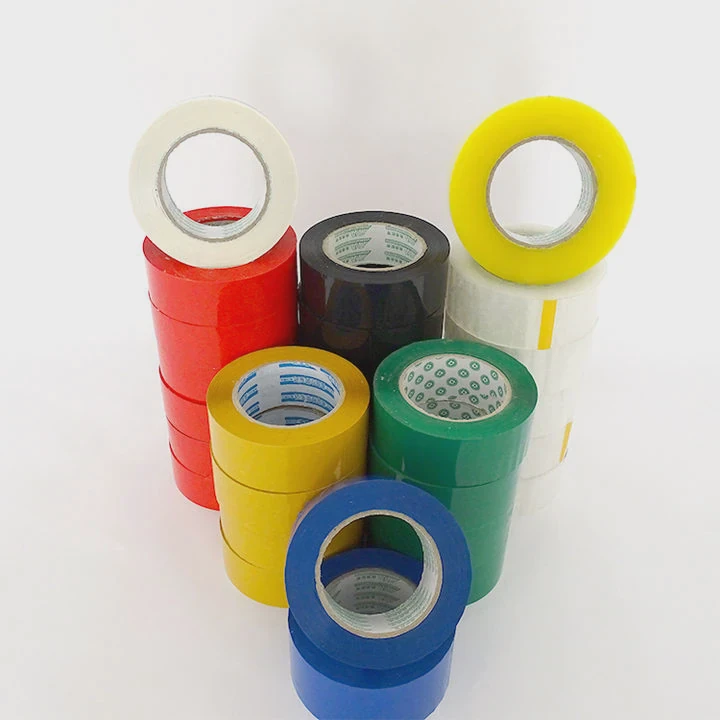
Packaging is one of the most visible uses of adhesive tape. Carton sealing tape is applied to boxes before storage and shipping. BOPP packing tape is widely used because it can combine useful tensile strength, efficient production, and economical cost.
The actual requirement can change with the carton. A light box used for local delivery does not create the same demand as a heavy export carton that stays in a warehouse for months. Recycled cartons can also have different surface properties from new cardboard.
Warehouses use tape for more than sealing boxes. Floor marking and warning tapes can identify work areas, walkways, storage zones, and hazards. Some operations also use reinforced or specialty tapes for bundling and securing goods.
Manufacturing and electronics
Factories use adhesive tape during both production and final assembly. Double-sided tape can bond components without visible screws. Foam tape can fill small gaps and help spread stress across a surface. Protective and masking tapes can cover areas during painting, coating, cutting, or other production steps.
Electronics applications can require much tighter control. Tape thickness, residue, temperature resistance, electrical properties, and dimensional stability may all matter. A small change in the tape can affect an automated process.
For these applications, product consistency becomes very important. Buyers usually need the next shipment to behave like the previous shipment. This is one reason production control and raw material control matter in B2B tape sourcing.
Electrical and automotive applications
Electrical tape is widely used for insulation, wire wrapping, identification, and protection. The exact product should match the electrical and environmental requirements of the job.
Automotive production uses several tape types. Wire harness tape can organize cables and protect them from abrasion. Double-sided tapes can help mount trims, badges, and interior parts. Foam tapes can provide cushioning or sealing. Masking products can protect areas during painting and finishing.
Heat, vibration, moisture, chemicals, and long service periods can make automotive applications more demanding than normal household use.
Construction, maintenance, and HVAC
Construction workers use adhesive tapes for temporary and permanent tasks. Masking tape protects surfaces during painting. Duct tape can support repair, sealing, bundling, and maintenance work. Anti-slip tape can add grip to stairs, ramps, and working areas.
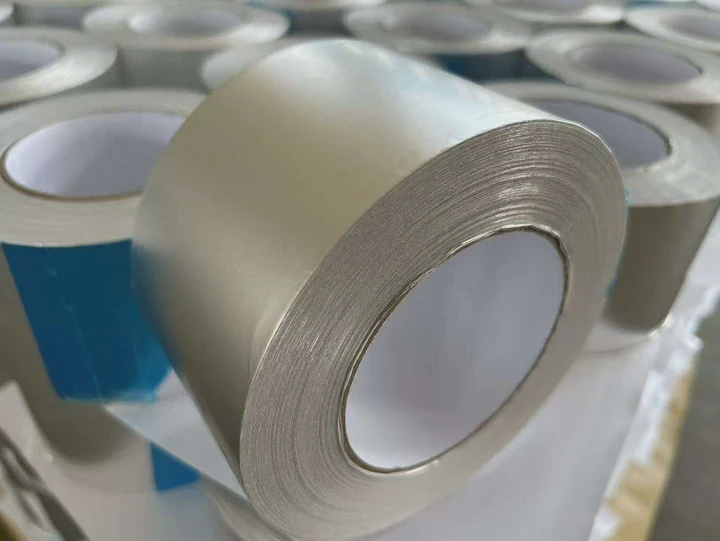
Aluminum foil tape is commonly associated with HVAC, insulation, and sealing work. Its metal backing provides properties that ordinary plastic or paper tapes cannot provide.
The surface still matters. Concrete, wood, painted metal, glass, plastic, and dusty construction materials have very different bonding conditions. Surface cleaning and correct application pressure can greatly affect results.
Home, office, and daily use
Adhesive tape is also common in simple daily tasks. People use it for gift wrapping, stationery, temporary repairs, decoration, cable organization, mounting, crafts, and household storage.
These applications may seem less demanding, but buyers still notice differences in quality. Poor tape can tear badly, leave residue, unwind unevenly, or fail to stay attached.
For commercial buyers, the end-use environment should therefore come before the product name. A distributor selling household tape has different needs from a factory using tape on a production line.
A useful sourcing process starts with a few basic questions. What surface will receive the tape? Will the tape be indoors or outdoors? What temperatures will it face? Does it need clean removal? How much holding strength is required? Does the customer need custom printing, color, dimensions, or packaging?
Once these points are clear, the broad term “adhesive tape” becomes much more useful. It gives us the product family, while the application and specifications lead us toward the correct tape construction.
Conclusion
Adhesive tape can be called sticky tape, self-adhesive tape, pressure-sensitive tape, PSA tape, or a specific application name. The best term depends on its construction and use. For industrial sourcing, clear specifications are more reliable than names alone because they define the performance the application actually needs.
- Pre Sorry!
- Next: Is masking tape adhesive tape?