What are the different types of adhesive tape?
- Tapells
- 25 Aug ,2026
Choosing adhesive tape by appearance alone can lead to weak bonds, damaged surfaces, or higher costs. Different tapes are designed to solve very different bonding problems.
The main types of adhesive tape include packing tape, masking tape, electrical tape, duct tape, double-sided tape, foam tape, kraft paper tape, aluminum foil tape, warning tape, anti-slip tape, and wire harness tape. They differ mainly in backing material, adhesive system, construction, strength, temperature resistance, and intended application.
These categories provide a useful starting point, but a product name does not define the complete tape. Industrial buyers also need to consider the surface, environment, required bond strength, dimensions, and service time before choosing a tape.
Which adhesive tape types suit industrial applications?
Industrial buyers face more demanding conditions than most household users. A tape that works for a simple repair may fail quickly on a production line, shipping carton, cable harness, or construction surface.
Common industrial adhesive tape types include BOPP packing tape, masking tape, PVC electrical tape, duct tape, double-sided tape, foam tape, aluminum foil tape, kraft paper tape, anti-slip tape, warning tape, and wire harness tape. The best type depends on whether the application requires sealing, bonding, masking, insulation, protection, mounting, or marking.
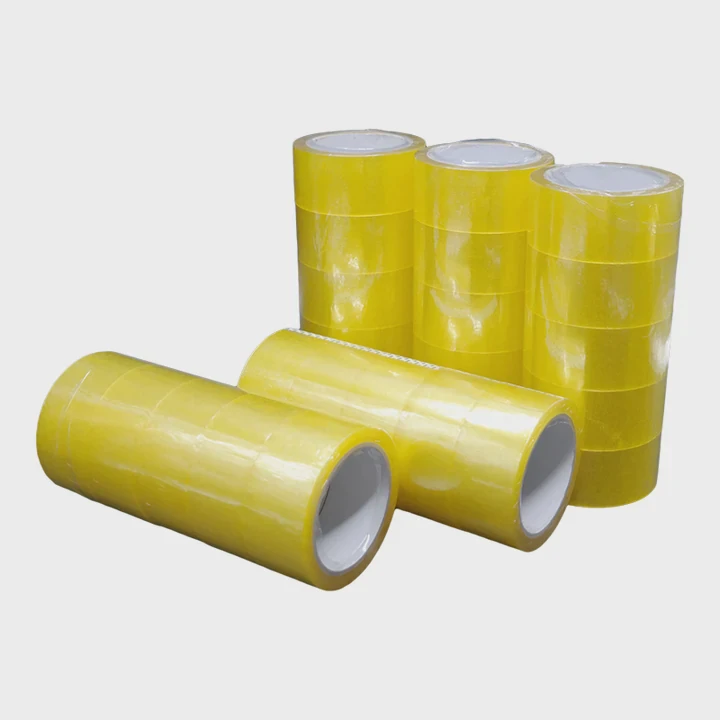
BOPP packing tape for packaging
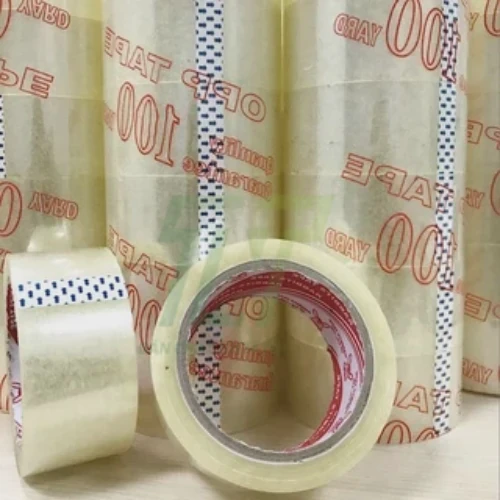
BOPP packing tape is one of the most widely recognized industrial tape products. It normally combines BOPP film with a pressure-sensitive adhesive.
Packaging companies, warehouses, factories, fulfillment operations, and exporters commonly use it to seal corrugated cartons.
The product may look simple, but industrial buyers often need to compare film thickness, total thickness, adhesive performance, width, length, color, and roll consistency. A lightweight carton does not always need the same tape as a heavy export carton.
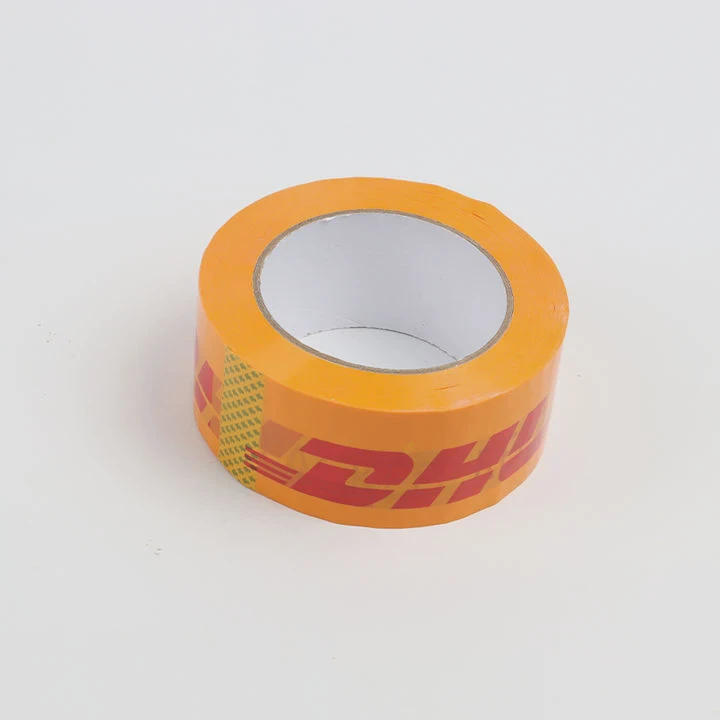
Printed packing tape can also carry a logo, warning, handling instruction, or brand message. This makes it useful for both sealing and brand presentation.
Masking tape for temporary protection
Masking tape normally uses a paper backing with pressure-sensitive adhesive. It is designed for applications where temporary adhesion and controlled removal are important.
Painting is a common example. The tape protects selected areas and helps create cleaner paint edges.
Industrial masking can be more demanding. Automotive painting, manufacturing, coating, and other processes may expose the tape to higher temperatures or longer working times.
For these applications, buyers should not assume that every masking tape has the same temperature resistance or removal performance.
Electrical, duct, and wire harness tapes
PVC electrical tape is designed for electrical and wire-related applications. Its flexible backing can follow cables and irregular shapes.
Duct tape normally uses a stronger reinforced construction. It is commonly selected for repair, bundling, maintenance, and general industrial work where more mechanical strength is useful.
Wire harness tape serves another purpose. It can bundle and protect groups of wires, especially in automotive and electrical assemblies.
| Tape type | Common construction | Typical industrial use |
|---|---|---|
| BOPP packing tape | BOPP film + adhesive | Carton sealing |
| Masking tape | Paper + adhesive | Painting and protection |
| Electrical tape | PVC + adhesive | Wire insulation |
| Duct tape | Reinforced backing + adhesive | Repair and bundling |
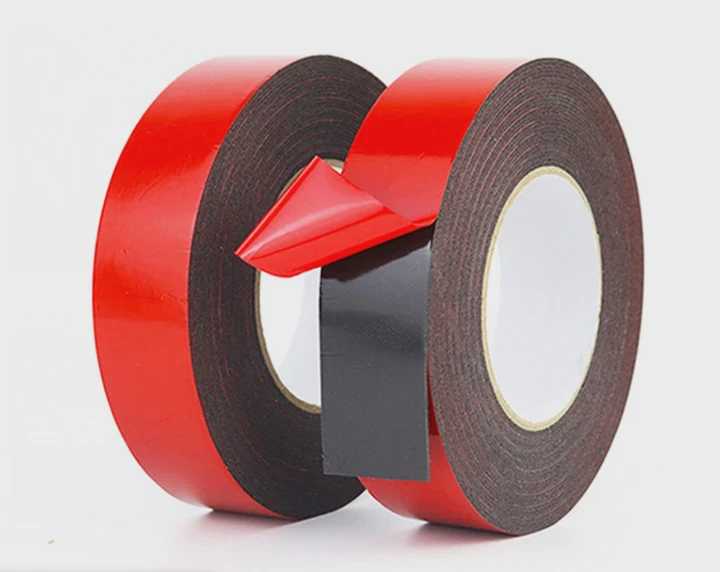
| Double-sided tape | Carrier + adhesive on both sides | Assembly and mounting |
| Foam tape | Foam carrier + adhesive | Mounting and sealing |
| Aluminum foil tape | Foil + adhesive | HVAC and insulation |
| Kraft paper tape | Paper + adhesive | Packaging |
| Anti-slip tape | Abrasive surface + adhesive | Floor safety |
| Wire harness tape | Cloth or film + adhesive | Cable bundling |
Double-sided and foam tapes for bonding
Double-sided tape places adhesive on both sides of a carrier or other tape structure. This allows the tape to sit between two materials and create a hidden bond.
Manufacturers can use it for signs, displays, electronics, trim, decorative parts, and general assembly.
Foam tape adds a foam carrier. The foam can help fill small gaps and compensate for slightly uneven surfaces. It can also provide cushioning.
These tapes should be selected according to the actual surfaces. A tape that bonds well to clean metal may behave differently on plastic, foam, painted material, or a rough surface.
Specialty tapes solve narrower problems
Aluminum foil tape is often used for HVAC, insulation, and selected sealing applications. Anti-slip tape can improve grip on stairs, ramps, floors, and work areas. Warning tape can provide visual identification in factories and warehouses.
These products show why the term “industrial adhesive tape” is very broad.
When I review an industrial tape requirement, I first identify the job the tape must perform. The tape type becomes much easier to choose after the required function, surface, temperature, service time, and environment are clear.
How do adhesive materials affect tape performance?
Two tapes with similar backings can perform very differently on the same surface. The adhesive system often explains the difference, especially when temperature, aging, or initial tack becomes important.
Adhesive materials affect initial tack, peel strength, holding power, temperature resistance, aging, removal, and surface compatibility. Common pressure-sensitive tape adhesives include acrylic, rubber-based, and silicone systems. Each adhesive has different strengths, so the correct material should be selected according to the surface, environment, service time, and required bond.

Acrylic adhesive offers balanced performance
Acrylic adhesive is widely used in adhesive tape products.
Depending on its formulation, an acrylic system can provide useful aging, weather, UV, and temperature performance. This can make it suitable for many packaging and industrial applications.
However, the word “acrylic” alone does not guarantee a specific level of performance. Different formulations can have different tack, peel strength, holding power, and temperature ranges.
The coating amount also matters. The relationship between the adhesive and backing needs to be considered as a complete system.
Rubber-based adhesive can provide strong initial tack
Rubber-based pressure-sensitive adhesives are also common.
One reason for using them is their useful initial tack. The tape can quickly grab many surfaces after application.
This can be valuable for packaging, masking, duct tape, and other applications where fast bonding is useful.
Still, high initial tack should not be confused with better performance in every condition.
A tape can feel extremely sticky when touched but still be unsuitable for long-term outdoor exposure or a high-temperature industrial process. Buyers should compare the performance required by the application rather than judging only by how sticky a sample feels.
Silicone adhesive serves specialized conditions
Silicone adhesive systems are found in more specialized tape products. They can be selected when demanding temperature conditions or difficult surfaces require properties that common adhesive systems may not provide.
These products can also cost more, so they are not automatically the best choice for ordinary packaging or general-purpose use.
The adhesive needs to solve a real performance problem.
Surface compatibility changes the result
Adhesive performance does not exist separately from the surface.
Glass, steel, cardboard, painted panels, wood, foam, and plastics all provide different bonding conditions.
Some plastics have surfaces that are more difficult for certain adhesives to wet properly. Rough cardboard creates another challenge because the adhesive needs sufficient contact with an uneven surface.
Dust, moisture, oil, and other contamination can reduce effective bonding.
Application pressure also matters. Pressure-sensitive tape needs good surface contact. A tape that is only placed loosely on a surface may perform differently from the same tape after firm and even pressure is applied.
Temperature and time affect bonding
Temperature can change adhesive behavior during application and service.
A tape applied in a very cold environment may not develop the same initial contact as it would at a suitable room temperature. High service temperatures can soften or otherwise affect some adhesive systems.
Time matters too.
Some adhesives develop stronger bonding after they remain in contact with the surface. A removable masking tape, on the other hand, may become more difficult to remove if it remains on a surface much longer than intended.
For industrial projects, I prefer to define the application conditions before comparing adhesive systems. The surface, temperature, indoor or outdoor use, required holding time, load, and removal needs provide a much better basis for selection than simply requesting the “strongest glue.”
Why are tape backing materials important?
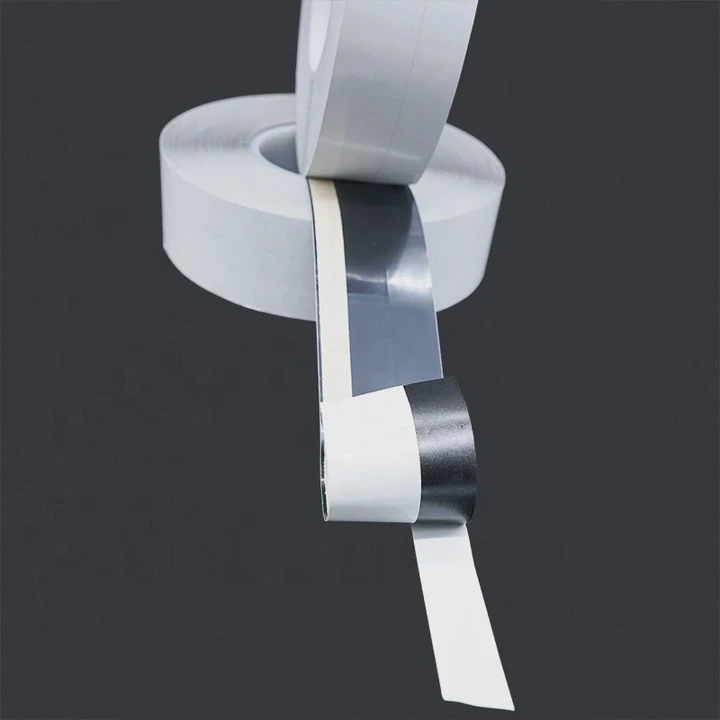
The adhesive receives much of the attention, but the backing can determine whether a tape stretches, tears, conforms, resists damage, or survives an industrial process.
Tape backing materials are important because they control physical properties such as tensile strength, flexibility, tear behavior, thickness, conformability, and resistance to heat, moisture, or abrasion. Common backings include BOPP, PVC, PET, paper, cloth, foam, aluminum foil, and kraft paper, with each material serving different applications.
Film backings provide different performance
Plastic films are common in industrial adhesive tape.
BOPP is widely associated with packing tape. The film can provide good tensile properties while remaining thin and suitable for large-scale carton sealing.
PVC is more flexible. This makes it useful in electrical tape and other applications where the tape needs to wrap around shapes.
PET can provide a thin and dimensionally stable carrier for selected industrial tapes. It is often found in applications where controlled thickness and stability are useful.
Even within one material group, thickness can change performance. A thicker film can behave differently from a thinner version in tensile strength, stiffness, cost, and handling.
Paper offers useful handling properties
Paper is widely used in masking and packaging tapes.
Crepe paper can stretch and conform more easily than a flat, stiff paper. It can also be torn by hand. These features are useful for painting and temporary protection.
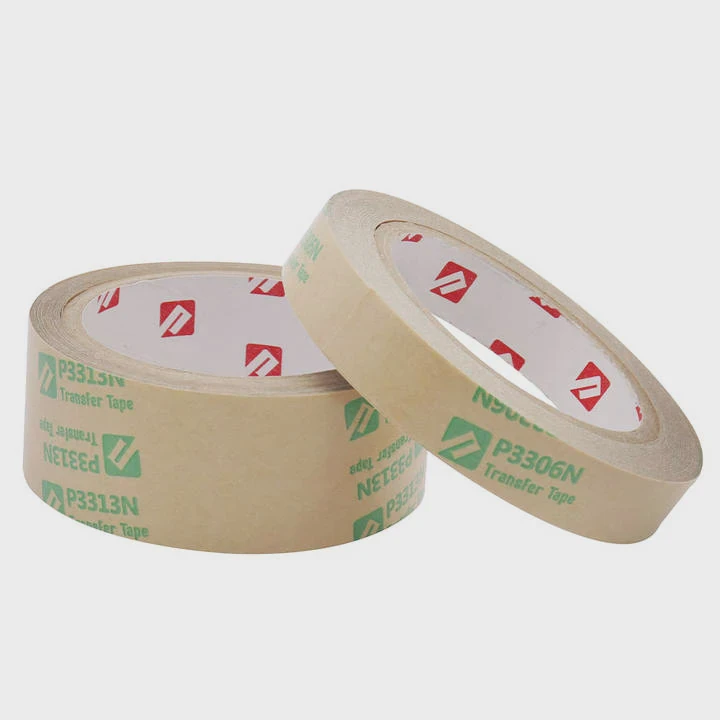
Kraft paper can be used in packaging tapes. It provides a paper-based appearance that some businesses prefer for carton packaging.
Paper still has limits. Basic paper tape does not normally provide the same water resistance or mechanical properties as many plastic film products.
The backing needs to fit the environment.
Cloth provides reinforcement
Cloth-backed tapes can provide higher mechanical strength and useful flexibility.
Duct tape is a familiar example. Its reinforced structure makes it useful for bundling, repair, maintenance, and other demanding tasks.
Wire harness tapes can also use cloth constructions when abrasion protection, flexibility, or cable organization is required.
The cloth itself can vary. Different weave, thickness, coating, and adhesive combinations produce different performance.
Foam helps with gaps and uneven surfaces
Foam tape has a very different purpose from thin film tape.
Its carrier has thickness and compressibility. This allows the tape to compensate for small gaps between surfaces. It can also help distribute stress and provide cushioning.
These properties make foam tape useful for signs, trim, displays, automotive components, construction products, and general mounting.
The foam density and thickness can influence the result.
A very soft foam may conform well but may not provide the same mechanical behavior as a denser foam. The buyer therefore needs to consider the complete construction.
| Backing | Main property | Common application |
|---|---|---|
| BOPP | Tensile strength and thin construction | Carton sealing |
| PVC | Flexibility | Electrical insulation |
| PET | Stability and controlled thickness | Industrial bonding |
| Crepe paper | Hand tearing and conformability | Masking |
| Kraft paper | Paper-based packaging | Carton sealing |
| Cloth | Reinforcement and flexibility | Repair and harnessing |
| PE/EVA foam | Cushioning and gap filling | Mounting |
| Aluminum foil | Metal backing and barrier properties | HVAC and insulation |
Aluminum foil serves specialized environments
Aluminum foil tape uses a metal backing rather than paper, cloth, or plastic film.
This gives it properties useful in selected HVAC, insulation, sealing, and construction applications. The foil can provide a barrier and a surface suited to specific environmental conditions.
However, foil tape should not be chosen just because it appears stronger or more technical.
The application still decides the product.
When comparing backing materials for an OEM or industrial order, I normally consider flexibility, tensile strength, thickness, temperature, moisture, abrasion, and application method together.
The adhesive and backing then need to be matched. A high-performance adhesive cannot fully compensate for a backing that is unsuitable for the physical demands of the job.
When should specialized adhesive tapes be selected?
General-purpose tape can reduce purchasing complexity, but forcing one tape into every application can create failures and higher costs. Some jobs clearly need a more specialized construction.
Specialized adhesive tapes should be selected when an application has specific requirements for temperature, electrical insulation, abrasion resistance, clean removal, outdoor exposure, gap filling, anti-slip performance, surface protection, or long-term bonding. Specialty tapes are also useful when standard products cannot reliably bond to the required surface or survive the working environment.
Choose specialty tape when temperature matters
Temperature is one of the clearest reasons to move away from a basic general-purpose tape.
A standard masking tape may work well for indoor painting but may not survive an industrial paint process that involves elevated temperatures.
The same issue appears in manufacturing, electronics, automotive production, and HVAC work.
Buyers should check both application temperature and service temperature. These are not always the same.
The duration of heat exposure also matters. Short exposure and continuous exposure can create different requirements.
Use specialized tape for controlled removal
Temporary bonding sounds simple until the tape needs to be removed from an expensive finished surface.
Painting, automotive finishing, electronics production, and surface protection can all require controlled removal.
A tape that bonds too aggressively may leave residue or damage a coating. A tape that bonds too weakly may lift before the process is complete.
Specialized masking products are designed to balance these requirements for defined conditions.
Testing is still important. Paint age, surface condition, temperature, sunlight, and application time can change removal behavior.
Select the right product for electrical applications
Electrical applications should use tapes designed for the required electrical function.
A general adhesive tape can stick around a cable, but adhesion alone does not make it suitable for electrical insulation.
Electrical tape may need appropriate insulation properties, flexibility, temperature performance, and resistance to the conditions around the cable.
The same principle applies to other safety-related applications. The product should be selected according to its tested function, not just its appearance.
Use foam tape when surfaces are uneven
Thin double-sided film tape works well when two relatively smooth surfaces can make close contact.
Uneven surfaces create a different problem.
Foam tape can help fill small gaps because its carrier has thickness and compressibility. This can improve contact between the adhesive and both surfaces.
It can also provide cushioning and help spread stress.
For mounting applications, buyers should consider the weight of the object, surface type, tape area, foam thickness, adhesive system, temperature, and expected service life.
Consider abrasion and mechanical stress
Wire harnesses, industrial equipment, and repair applications can expose tape to rubbing and mechanical movement.
A thin paper tape may not survive these conditions.
Cloth tape, reinforced tape, or another specialized construction can provide better mechanical protection.
The correct choice depends on how much movement, abrasion, tension, and environmental exposure the tape will experience.
Outdoor applications need more attention
Outdoor conditions combine several challenges.
Sunlight, rain, humidity, dust, heat, and cold can all affect a tape. Long-term outdoor use can therefore require a different adhesive and backing from a short indoor application.
Buyers should avoid assuming that a tape is suitable outdoors simply because it feels strong when first applied.
A sample should be tested under realistic conditions when failure could create significant cost.
Specialization should solve a defined problem
A specialized tape is not automatically better than a standard tape.
It is better only when its additional properties match the application.
A high-temperature tape can add unnecessary cost to a normal room-temperature packaging job. A thick foam tape can create problems when an assembly needs a very thin bond line. A very aggressive adhesive can be a disadvantage when clean removal is required.
When I work through a tape specification, I start with the surface and application. Then I consider temperature, load, service time, indoor or outdoor exposure, required removal, dimensions, and production method.
After these conditions are clear, the backing and adhesive can be selected.
For custom projects, buyers can also define width, length, thickness, color, printing, core size, roll format, and retail or industrial packaging.
This approach helps avoid both under-specification and over-specification. The goal is not to buy the most technical tape available. The goal is to select a tape construction that performs reliably in the real application while keeping production and purchasing practical.
Conclusion
Adhesive tapes include packing, masking, electrical, duct, double-sided, foam, foil, paper, anti-slip, and other specialized products. Each type combines a backing and adhesive for a specific job. The right choice depends on the surface, required bond, temperature, environment, service time, and application.
- Pre Is adhesive tape just tape?
- Next: Sorry!